

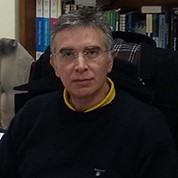
Laboratory of Histology-Embryology, Molecular Carcinogenesis Group, Medical School, National and Kapodistrian University of Athens, Greece
Dr. Gorgoulis is currently Professor and Director of the Department of Histology–Embryology, Medical School, National Kapodistrian University of Athens, Greece. He is also elected Chair and Professor of Clinical and Molecular Pathology, Medical School, University of Dundee; Adjunct Professor at the Biomedical Research Foundation, Academy of Athens; Honorary Professor, Institute of Cancer Sciences, University of Manchester, UK; Visiting Professor, Faculty of Health and Medical Sciences, University of Surrey, UK; and elected European Molecular Biology Organization (EMBO) member.Main research interests include: cancer biology; senescence and aging; DNA damage response and repair/genomic instability; cell cycle deregulation; development of machine learning algorithms to predict biological/drug responses. Prof Gorgoulis has 346 publications and >44,000 citations. He is among the Highly Cited Greek Scientists internationally, with h-index: 83. He counts >150 communications in international conferences and seminars, and contributed 14 chapters in international text-books. He received >30 awards/distinctions and is a reviewer in >60 peer-reviewed scientific journals (eg Nature, Cell, Mol Cell, Cancer Cell, EMBO J) and 30 National and International Funding programs (eg ERC reviewer and panel member; EMBO Young Investigators; Cancer Research UK).
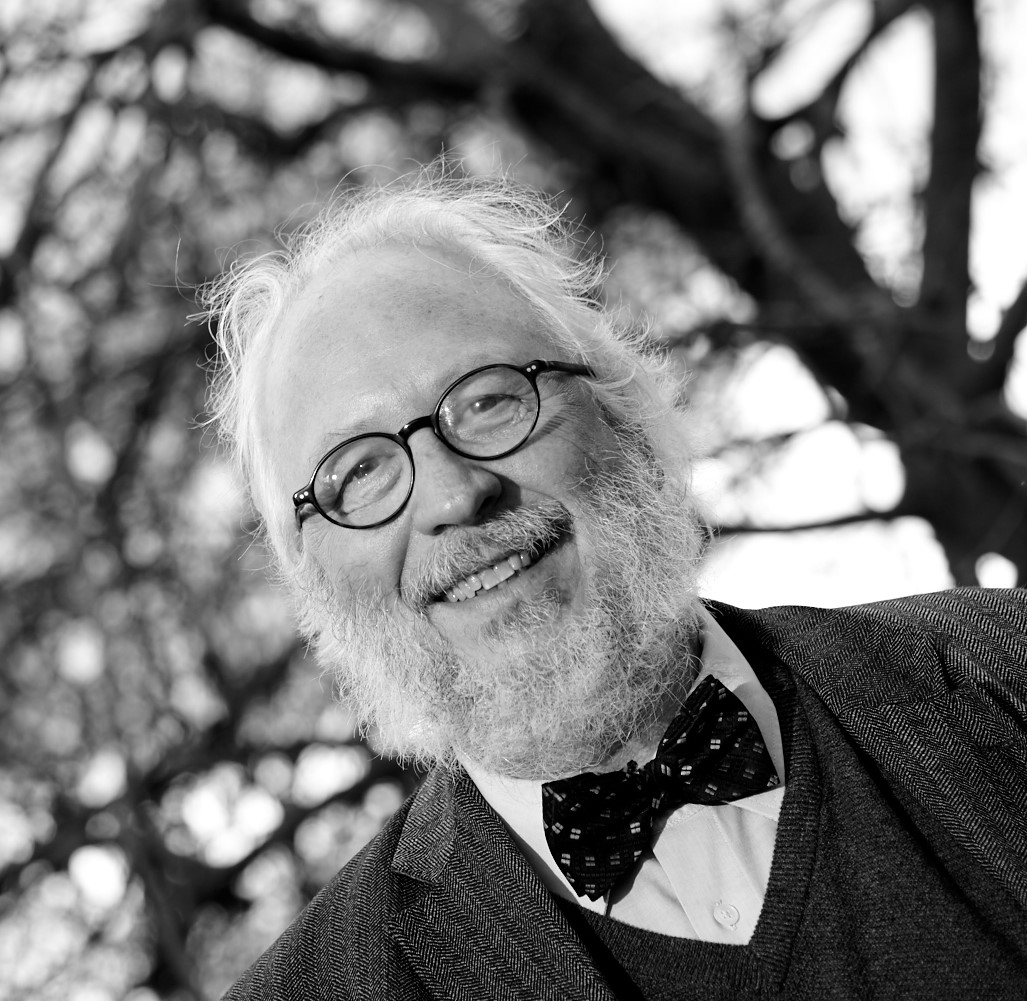
VIB-UGent Center for Medical Biotechnology Ghent, Belgium
Peter Vandenabeele performed his PhD at the Ghent University in the Laboratory of Molecular Biology of Prof. Walter Fiers (1990). In 1996, he became PI at the Flanders Institute for Biotechnology (VIB). Vandenabeele’s research group is part of the VIB Center for Inflammation Research (IRC) at the Ghent University (www.irc.ugent.be). His research activities focus on molecular mechanisms of cell death modalities (a.o. apoptosis, necroptosis, ferroptosis). These phenomena are studied in an integrated way at the level of biochemistry, cell biology and in disease models of inflammation and cancer. He has been promotor of 44 successfully defended PhD theses (1998-2023). Peter Vandenabeele has been founder and director of the Bachelor and Master program in Biochemistry and Biotechnology in the Faculty of Sciences at the Ghent University (2004-2012). He is Member of the Board of Governors of the Ghent University (2012-2014, 2018-2022, 2022-2026) and Member of the Royal Flemish Academy of Belgium (since 2012) (KVAB). He received several scientific awards such as FWO 5 yearly Excellence Award 2015, CDD Jürg Tschopp Excellence Award in Cell Death and Inflammation Research 2016, ICDS Excellence Award in Cell Death Research 2020, “highly cited researcher award” Cross-Field in 2018, 2019, 2020, 2021, 2022; Molecular Biology and Genetics in 2023 (Clarivate Analytics); Best Scientist Award 2023 (Research.com). He has been president of the European Cell Death Organization (ECDO) (2015-2016) (www.ecdo.eu).
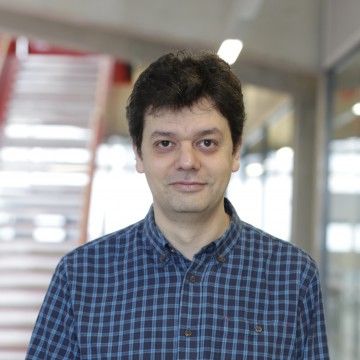
Imperial College London, UK
Jesús Gil was born in Zaragoza, Spain. He obtained his PhD studying how the dsRNAdependent protein kinase induces apoptosis and activates NF-kB, in 2000 at the Universidad Autónoma in Madrid. From 2000 to 2003 he worked with David Beach at the Wolfson Institute for Biomedical Research, University College London, where he screened for genes bypassing senescence, identifying CBX7. He investigated how this gene regulates the INK4/ARF locus and its implications in cancer in stays with Gordon Peters at the CRUK London Research Institute and Scott Lowe at Cold Spring Harbor. Since Nov. 2005 he has led the Senescence Group at the MRC Laboratory of Medical Sciences (MRC LMS) where his main interest is to understand how senescence is regulated and implemented and how it can be targeted therapeutically. To this end, they use different mammalian systems of senescence and a variety of strategies to perform functional screens. The ultimate end is to understand the molecular mechanisms controlling senescence and exploit them for therapeutic benefit. In 2008, Jesús was named an EMBO Young Investigator. He was tenured in 2010 and in 2011 obtained the EACR Cancer Researcher Award ’highly commended’. Since 2013 he has been a Professor at Imperial College where he heads the Department of Molecular Sciences at the Institute of Clinical Sciences. He is a named inventor on several patents on senolytics and has collaborated with different companies on the development of senotherapies.
FEBS has twin commitments to high-quality publications and the promotion of molecular biosciences. As a charitable academic organization,
FEBS uses income from the journals to fund its diverse activities, including support for the FEBS Congress.